
In the world of sports, athletes constantly seek methods to enhance their performance while minimizing the risk of injury. Enter sports biomechanics, the scientific study of how forces interact with the human body during movement. By leveraging this discipline, athletes not only improve performance but also safeguard their physical well-being. The intersection of biomechanics and athletics is reshaping training and competition environments worldwide.
Understanding the science of movement
Sports biomechanics focuses on analyzing movement to optimize efficiency and effectiveness. It considers physical laws and analyzes how forces like gravity and friction affect an athlete’s body. This isn’t just theoretical but a practical guide to perfecting performances. Ever wonder how sprinters explode off the blocks or how divers seem to slice through the air with precision? The answer lies in biomechanics.
Biomechanical assessments include motion capture techniques, force measurements, and computer simulations to understand and predict athletic performances. This scientific approach allows coaches to tailor training programs to individual athletes, targeting specific muscles and movement patterns to boost efficiency. For example, small adjustments in a runner’s gait can lead to significant improvements in speed and endurance, as documented by research in the Journal of Applied Physiology.
Reducing the risk of injury
While aiming for peak performance, athletes often face the challenge of injury prevention. Biomechanics offers incredible insights into identifying and reducing injury risks. By understanding movement mechanics, coaches and sports scientists can pinpoint inefficient or dangerous movement patterns that might predispose athletes to injuries. Think of it as the body’s natural diagnostic tool, highlighting areas that need strengthening or alteration.
For instance, understanding the forces exerted on knees during an intense basketball game can help design specific training regimens to build resilience and avoid common injuries such as ACL tears. Furthermore, biomechanics assists in designing protective gear that minimizes the impact of physical strain, offering athletes a safety net without compromising performance. The American Academy of Orthopaedic Surgeons provides comprehensive guidance on sports injury prevention through evidence-based approaches.
Real-world applications in sports
Biomechanics is not confined to textbooks and laboratories. Its applications permeate the sports industry, providing real-world solutions that enhance performance. Take the case of high jumpers refining their Fosbury Flop technique through biomechanical analysis to achieve greater heights. Or consider the swing adjustments in golf or baseball, where biomechanical insights help athletes hit that perfect shot.
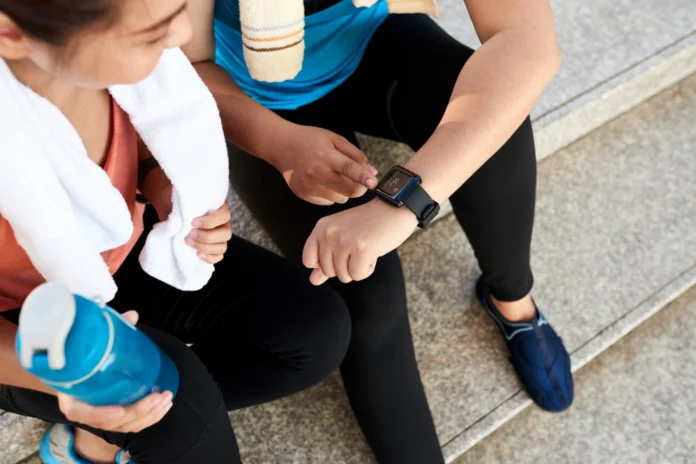
These insights have also trickled down to wearables and fitness tech, enabling athletes to monitor their movements and receive detailed feedback in real-time. This democratization of information empowers all athletes to train with the precision once available to elite professionals only. The International Society of Biomechanics offers resources and standards for biomechanical research and practice. The incorporation of biomechanics into coaching strategies is gradually evolving, paving the way for more personalized and effective training methodologies.
The ecological footprint of biomechanical advancements
Delving into sports biomechanics does bring an unexpected twist, its impact on ecological sustainability. The drive for technological innovation in sports sometimes necessitates resource-intensive productions, like motion-capture systems and synthetic surfaces, presenting an ecological conundrum. It’s crucial to weigh the environmental cost against the benefits to athletic performance and safety.
Nevertheless, pioneers in the field are increasingly aware of these challenges and are working towards eco-friendlier solutions. New advancements in eco-manufactured biomaterials and energy-efficient technologies stand on the horizon, promising a more sustainable future for sports technology. After all, while enhancing human performance is vital, it’s equally important to ensure that we contribute positively to our planet’s health. The beautiful synergy between technological advancement and environmental responsibility is key to paving way for future innovations.

